Category: Overview

  • the loop

    The Anxious Loop: The 4-Stage Cycle That Keeps You Stuck on Someone Avoidant
    Notes from 2AM · Start here

    The Anxious Loop: the 4-stage cycle that keeps you stuck on someone avoidant

    By Jeremy · Founder, Back To Self

    The Anxious Loop is a four-stage cycle: the Pull, the Pullback, the Spiral, and the Return to Self. It’s what happens when an anxious person connects with an avoidant one — in my work, specifically the contained anxious and the fearful avoidant. The loop repeats until the return is chosen and held, instead of forced by burnout.

    The Anxious Loop diagram — the 4-stage anxious-avoidant relationship cycle: 1 The Pull, 2 The Pullback, 3 The Spiral, 4 Return to Self, with the exit door and the re-enter relapse arrow

    If the same relationship keeps having the same month over and over — this is why. It’s not you being crazy. It’s a pattern. And patterns have maps.

    1

    THE PULL

    The temptation. The drift begins.

    2

    THE PULLBACK

    The resistance. The inner conflict.

    3

    THE SPIRAL

    The loop tightens. The pattern deepens.

    4

    RETURN TO SELF

    The remembrance. The reclaiming.

    Stage 1 — The Pull

    It starts fast. They feel different. Rare. The connection is deep and it’s real — that part matters, because it’s what makes everything after so confusing.

    But something else starts here too. You begin orbiting them a little more than they orbit you. It feels like chemistry. It’s actually the drift beginning. This is also why it can feel karmic — the pull is doing something for both of you.

    Stage 2 — The Pullback

    As it gets closer, they get further. Shorter replies. Busy weeks. You feel it before you can prove it.

    Here’s the key: the pullback isn’t about your worth. For a fearful avoidant, closeness itself sets off their alarm — they want the connection and fear what it costs them. Their resistance is their inner conflict, not your report card. More on why they pull away here.

    Stage 3 — The Spiral

    Now your alarm is driving. Checking. Re-reading. Decoding four-word replies. Giving more to stay close.

    From the outside you look fine. Inside, your attention has moved into their pocket. This is where most people find me — at 2am, mid-spiral, searching “why can’t I stop thinking about them.”

    The Spiral is not who you are. It’s Stage 3 of a loop.

    Stage 4 — The Return to Self

    Eventually your attention comes back to you. The remembrance. The reclaiming.

    But watch how you got there. For most people, Stage 4 is forced — burnout, a final straw. And a forced return doesn’t hold. One warm message and you’re back in Stage 1. That’s the re-enter arrow on the map, and it usually arrives right when you were getting better.

    The alternative: reach Stage 4 on purpose. Learn to choose yourself while the alarm is still ringing — not after it stops. Not colder. Not detached. Warm, honest, boundaried — and no longer abandoning yourself to feel chosen. That’s trainable. The first rep is here.

    Where are you in the Loop right now? The 3-minute quiz maps your side of the dynamic. The Choice Point Workshop (live, August 1st) trains the exit.

    Take the quiz  See the workshop

    Quick answers

    Is the Anxious Loop the same as anxious attachment?

    No. Anxious attachment is your wiring. The Loop is the cycle that wiring runs with an avoidant partner. You can have the wiring and not be in a loop — the loop needs the dynamic.

    Can an anxious–avoidant relationship work?

    It can — but only if the cycle gets interrupted. That usually starts with you taking your worth back from their availability.

    How long does it take to break the Loop?

    It’s measured in reps, not months. Every interrupted urge is one rep. Most people feel the first shift within weeks of training the moment.


    © 2026 Back To Self · Coaching and education, not therapy. If you’re in real distress, please reach out to a professional or local support line.
  • the-4-attachment-styles

    The 4 Attachment Styles, Explained Simply (And Which Pairing You’re Probably In)
    Notes from 2AM · Foundations

    The 4 attachment styles, explained simply

    By Jeremy · Founder, Back To Self

    There are four attachment styles: secure, anxious-preoccupied, dismissive avoidant, and fearful avoidant. They’re not personality types and they’re not life sentences. They’re strategies you learned for staying safe in connection — and strategies can change.

    It’s common for people to identify as “anxious” or “avoidant,” but in reality, most of us carry patterns from across all four styles. One pattern, however, will often dominate when an important connection feels threatened.

    One rule before the list: styles are patterns, not fixed identities. The same person can feel secure with one partner and anxious with another. What you’re reading below is a pattern you run, not a diagnosis of who you are.

    SECURE

    Core belief: “Connection is safe. I can need and be needed.”

    Closeness doesn’t threaten them and distance doesn’t panic them. They can say what they need without it feeling like a risk.

    Worth knowing: secure isn’t “never anxious.” It’s feeling the activation, regaining agency and communicating directly instead of relying on indirect strategies.

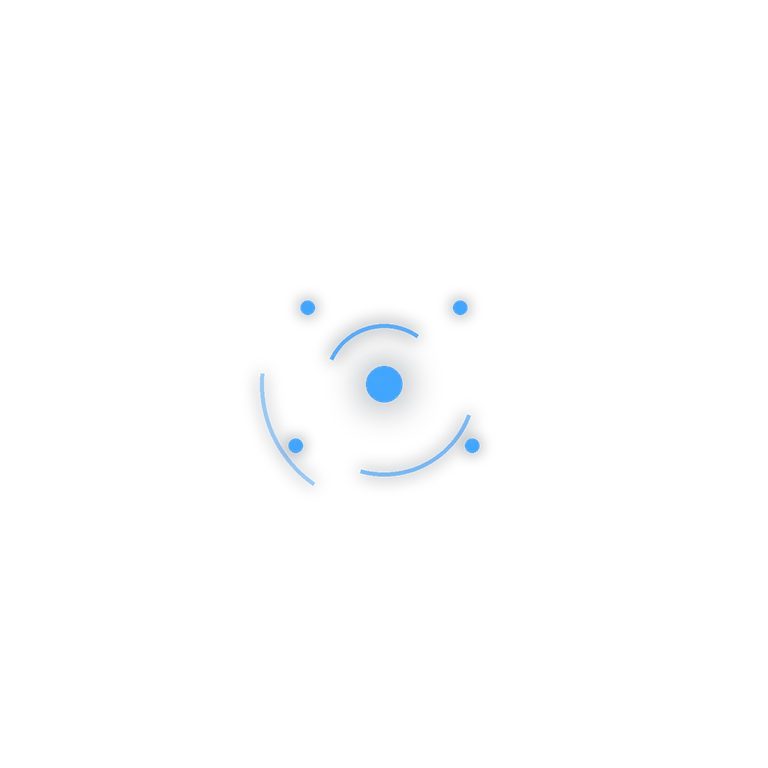
    Symbol representing secure attachment

    ANXIOUS-PREOCCUPIED

    Core wound: “My worth depends on being chosen.”

    When connection feels threatened, they move toward it. Checking, reaching, reassurance-seeking, over-giving. The other person’s availability starts to feel like evidence of their worth.

    Worth knowing: there are two expressions of this — the overt anxious, who you can see, and the contained anxious, who you can’t. The contained kind is my niche, because I was one.

    Symbol representing anxious-preoccupied attachment

    DISMISSIVE AVOIDANT

    Core wound: “Needing makes me weak or trapped.”

    When connection deepens, they tend to move away. Low expressed need, high independence and discomfort relying on others. Distance and self-reliance often feel safer than mutual dependence.

    Worth knowing: I don’t teach this dynamic. I haven’t lived it, and I won’t pretend to. I include the dismissive avoidant here so you can distinguish it from the next style — because the two are confused constantly, and the difference matters.

    Symbol representing dismissive-avoidant attachment

    FEARFUL AVOIDANT

    Core wound: “I need connection — but connection can hurt me.”

    High in both attachment anxiety and avoidance. They crave closeness and fear it at the same time. They may connect deeply, then pull away when the closeness begins to feel real or consequential. Approach, withdraw, repeat.

    Worth knowing: this is the partner in most of the loops I work with. The full breakdown is here.

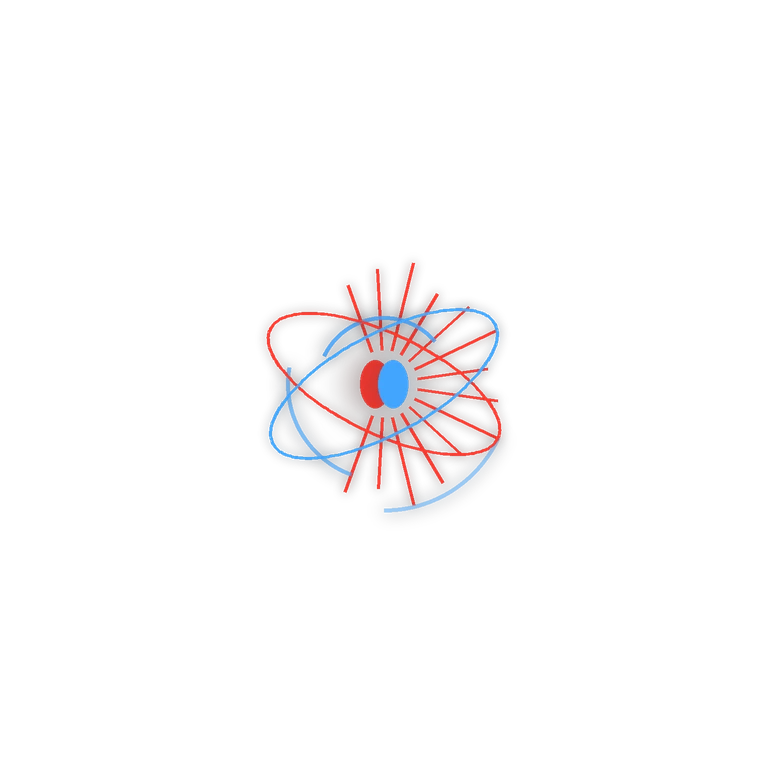
    Symbol representing fearful-avoidant attachment

    Which pairing are you in?

    Styles matter most in combination. A dismissive-avoidant dynamic often feels emotionally limited or compartmentalised from early on. A fearful-avoidant dynamic can feel deeply connected before the withdrawal begins.

    That means the connection may initially feel secure — until increasing closeness activates their avoidance and the resulting distance activates your anxiety.

    It was real — and then I could no longer reliably access it.

    That combination of genuine connection and unpredictable availability can create one of the strongest attachment loops. Each return restores the memory of what the connection can feel like. Each withdrawal makes you work harder to recover it.

    If that’s your situation, you’re in the dynamic this body of work maps: the Anxious Loop. The anxious pattern in one person and the fearful-avoidant pattern in the other begin feeding each other.

    Want your style mapped properly? The 3-minute quiz shows where you sit — and which pairing you’re running.

    Quick answers

    Can your attachment style change?

    Yes. Attachment patterns are learned strategies, and they can shift through awareness, corrective experiences and repeated practice. Your pattern may also change between relationships. The more meaningful a connection becomes — and the less certain it feels — the more likely your anxious side is to surface.

    Why can anxious and fearful-avoidant pairings feel so intense?

    Because the connection can feel genuine and highly present before distance appears. Each reconnection restores the felt memory of that closeness, while each withdrawal creates uncertainty. That contrast can strongly reinforce the loop.

    How do I know my attachment style?

    Watch what happens inside you when connection feels threatened. If you move toward it through checking, reaching or over-giving, you may lean anxious. If you move away through shutting down or creating distance, you may lean avoidant. If you alternate between both, you may lean fearful avoidant. The quiz maps the pattern more precisely.

    Is there a video I can watch?

    Yes. The short video for this article uses a campfire as a metaphor for connection, showing how each attachment pattern responds to warmth, distance and intimacy.

    © 2026 Back To Self · Coaching and education, not therapy. If you’re in real distress, please reach out to a professional or local support line.